
Call: 07971189772
 Send Inquiry
 Send Inquiry
Weld Nuts
MOQ : 1 Carton
Weld Nuts Specification
- Head Size
- M3 to M12 (common sizes)
- Diameter
- 3 mm to 12 mm
- Standard
- DIN 929, ISO 21670, JIS B 1196
- Material
- Mild Steel, Stainless Steel, Alloy Steel
- Function
- To provide a threaded hole for fastening after welding to metal surfaces
- Weight
- As per size specification, typically lightweight (e.g. 4g ~ 15g)
- Surface
- Plain, Zinc Plated, Nickel Plated
- Feature
- Corrosion Resistant, Durable Construction, Precise Threading
Weld Nuts Trade Information
- Minimum Order Quantity
- 1 Carton
- Supply Ability
- 1 Carton Per Week
- Delivery Time
- 2 Days
- Sample Available
- Yes
- Sample Policy
- Free samples are available
- Packaging Details
- Polybag for small orders and carton packing for rest of high order.
- Main Domestic Market
- All India
- Certifications
- An ISO 9001:2008 certified company.
Weld Nuts About
Backed by skilled professionals, we are offering a broad collection of Weld Nuts that is used for various fitting works. These are manufactured at our manufacturing unit using optimum grade metal alloy and modern techniques. Further, we assure our clients that the offered nuts are tested on various parameters to ensure their flawlessness. We are offering these Weld Nuts at industry leading prices.
Features:
-
Easy fitting
-
Robustness
-
Durability
-
High strength
MOQ: Negotiable
Delivery Time : Minimum 1 week
Payment Terms : 10%- 25% on small orders, 25%- 35% on large orders and rest on delivery
Superior Corrosion Resistance
Weld nuts are available with corrosion-resistant finishes such as zinc plating and nickel plating. This protective layer prevents rust formation and enhances longevity, making them suitable for a wide array of industrial and automotive applications, especially in environments where moisture exposure is common.
Precision and Durability in Design
Each weld nut is crafted for precise threading and durable construction. The choice of mild steel, stainless steel, or alloy steel ensures high structural integrity, making them ideal for critical fastening tasks that require consistent performance and reliability over time.
Versatile Application Standards
Manufactured according to international standards like DIN 929, ISO 21670, and JIS B 1196, weld nuts guarantee compatibility with global specifications. Commonly available in sizes M3 through M12, they meet diverse requirements in construction, machinery, and automotive industries.
FAQs of Weld Nuts:
Q: How are weld nuts installed on metal surfaces?
A: Weld nuts are positioned on a prepared metal surface and secured by welding, typically using spot or projection welding techniques. After welding, they provide a robust threaded hole for fastening components.Q: What benefits does corrosion-resistant plating offer for weld nuts?
A: Corrosion-resistant finishes, such as zinc and nickel plating, protect weld nuts from oxidation and rust, increasing their lifespan and maintaining the integrity of the joint, especially in humid or outdoor environments.Q: When is it recommended to use weld nuts over other fastening solutions?
A: Weld nuts are preferred when a strong, permanent threaded connection is required on a metal surface, particularly in situations where access is limited after assembly, such as in automotive frames or machinery housings.Q: Where are weld nuts commonly utilized in industry?
A: Weld nuts are widely used in sectors like automotive manufacturing, construction, electronics, and heavy machinery, wherever secure threaded fastening on metal panels, chassis, or enclosures is essential.Q: What materials are typically available for weld nuts, and how does each material benefit the application?
A: Weld nuts are made from mild steel for general use, stainless steel for high corrosion resistance, and alloy steel for enhanced mechanical strength, allowing selection based on environmental and mechanical demands.Q: What standards do weld nuts adhere to, and why is it important?
A: Weld nuts comply with DIN 929, ISO 21670, and JIS B 1196 standards, ensuring consistency in dimensions, threading, and performance. Adherence to these standards facilitates compatibility with a range of international equipment and processes.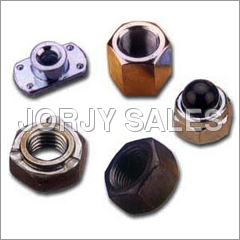
Tell us about your requirement

Price:
Quantity
Select Unit
- 50
- 100
- 200
- 250
- 500
- 1000+
Additional detail
Mobile number
Email

More Products in Nut Category
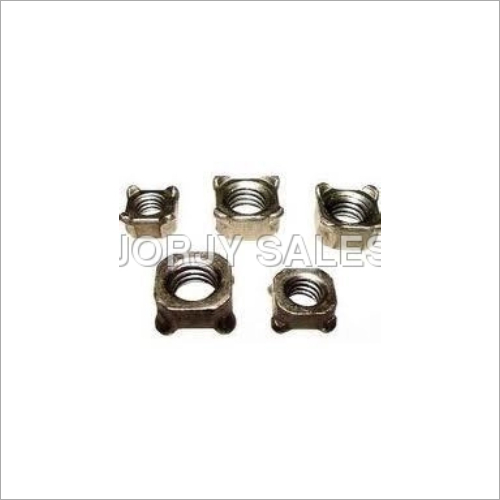
SQUARE WELD NUT
Price Range 100.00 - 1000.00 INR / Carton
Minimum Order Quantity : 1 Carton
Surface : Other, Zinc plated, plain, or black oxide finish
Material : Other, Mild steel, stainless steel
Standard : DIN 928 / IS 1367
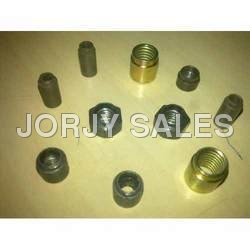
HANG NUT
Price Range 100.00 - 1000.00 INR / Carton
Minimum Order Quantity : 1 Carton
Surface : Other, Zinc Plated, Smooth Finish
Material : Other, Carbon Steel, Stainless Steel
Standard : ISI, DIN 315 Compliant
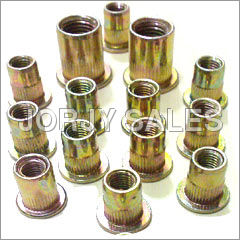
Insert Nut
Price Range 100.00 - 1000.00 INR / Carton
Minimum Order Quantity : 1 Carton
Surface : Other, Zinc plated, Smooth finish
Material : Other, Carbon Steel
Standard : DIN 312, ISO 4762
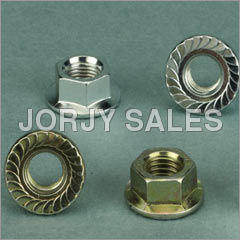
Flange Nuts
Price Range 100.00 - 1000.00 INR / Carton
Minimum Order Quantity : 1 Carton
Surface : Other, Zinc plated / Galvanized / Plain finish
Material : Other, Carbon Steel, Stainless Steel (A2/A4), Brass
Standard : DIN 6923, ISO 4161

Contact Details
GST : 07AMVPK2743B1Z1
- 4820/4, Phatak Namak, Hauz Qazi, Chawari Bazar, Delhi - 110006, India
- Phone :07971189772
 Send Inquiry
|


Developed and Managed by Infocom Network Private Limited.
